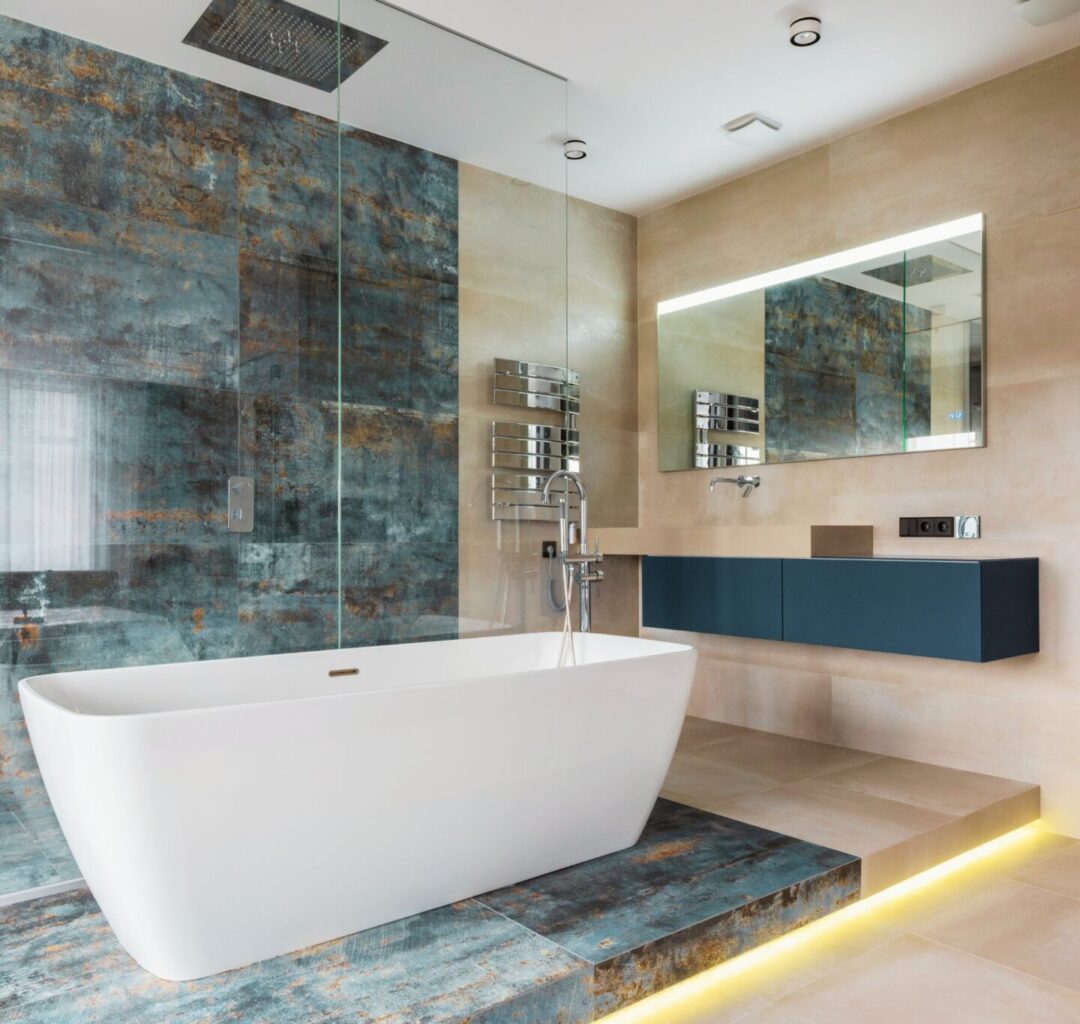
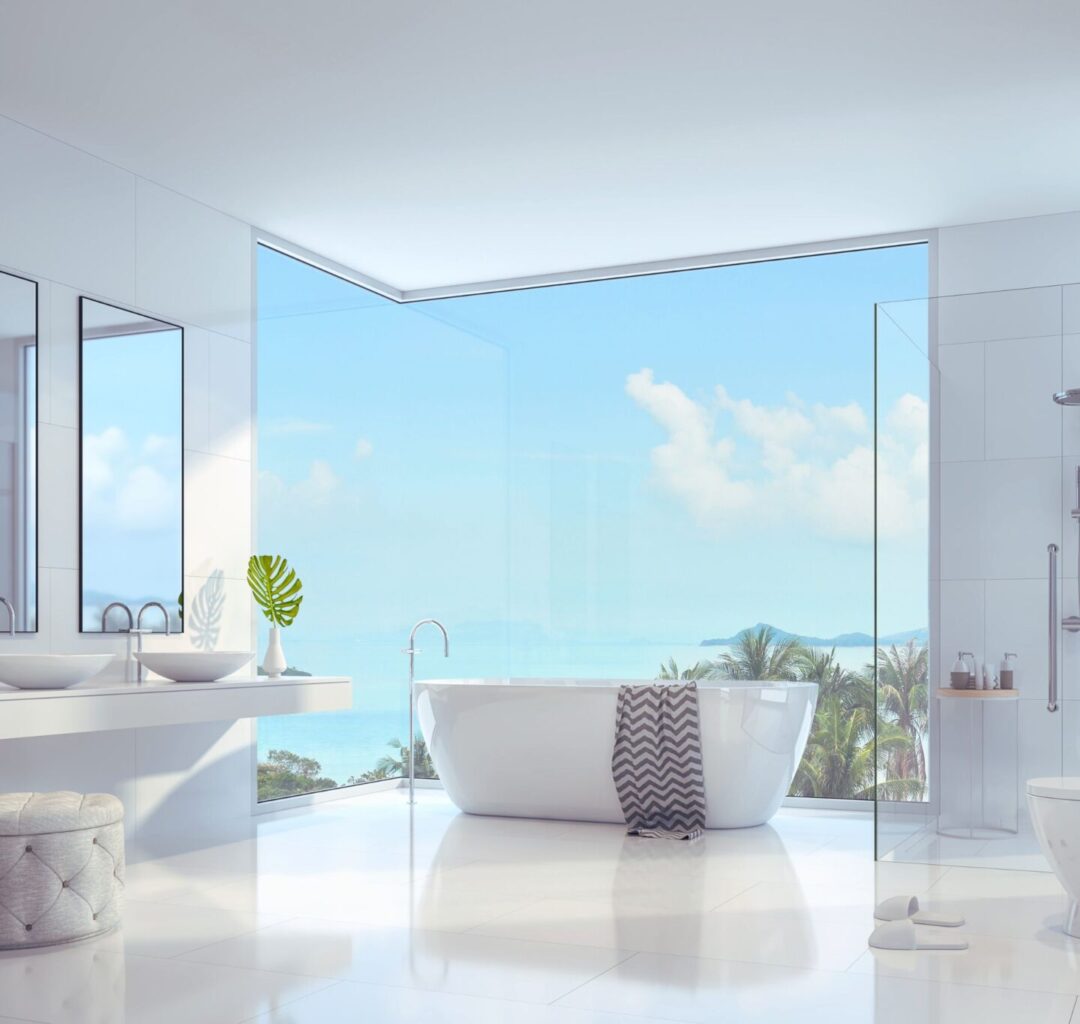
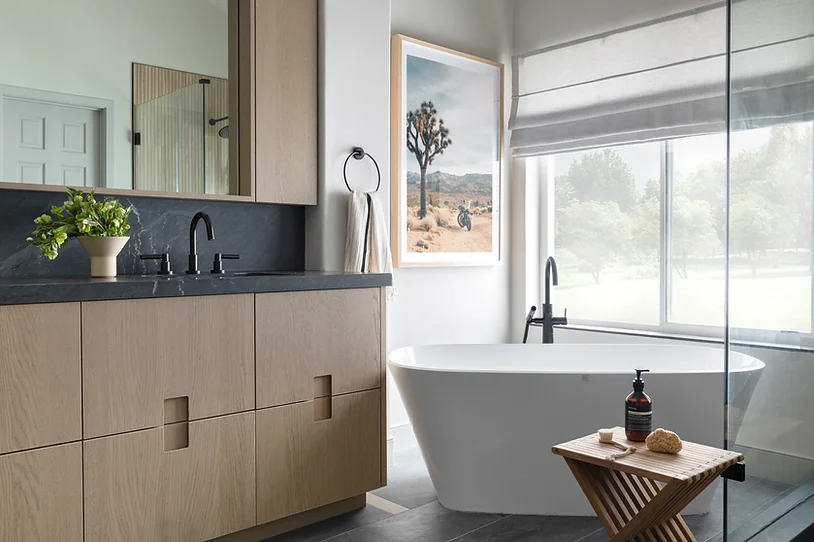
Want your small shower to feel bigger without tearing down walls? Use clear glass that vanishes, add smart niches to pull clutter off ledges, and move the drain to shape the floor for larger tiles. Use light colors, simple lines, and better light. A curbless entry and the right door swing help too. Do these right, and your tight stall starts to feel like a calm, open nook, not a phone booth.
Why small showers feel cramped
Tight stalls feel small for simple reasons. Visual clutter steals space. Dark corners trick the eye. Busy grout lines chop up the floor. A bulky frame and a thick curb eat room. Bottles lean on every ledge. Water hits you right where you stand, so you huddle.
We fix that by doing two things at once. We remove stuff that blocks your view. Then we shape water paths and storage so the space works better. The trick is not bigger walls. The trick is how your eyes and feet move.
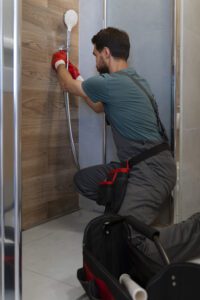
Glass choices that open the room
Glass is the biggest space maker in a small stall. Think of it like a window, not a barrier.
- Go clear and low iron. Regular clear glass can look a bit green, which muddies the room. Low iron stays true and bright. It makes tile colors pop and makes the bathroom look wider.
- Choose frameless when you can. Thin hardware and clean edges let your eye see through. A heavy frame feels like a fence. Frameless panels sit tight to tile, so lines stay clean. It also makes the floor feel like one big sheet.
- Keep hardware simple. Small clips and a clean pull look neat. Match metal to other fixtures in the room. In a small stall, a fussy handle can feel like a door knob on a closet packed with coats.
- Doors vs fixed panels. A fixed panel and a walk-in opening can feel roomy if your layout handles splash. If not, a door that seals well keeps water where it belongs without closing in the space.
- Sliding doors that glide. A barn style slider saves swing room. Look for smooth, quiet rollers and a low bottom guide. Keep the top rail simple, not chunky.
- Pivot doors for tight walls. If your room is narrow, a pivot door can split the swing. Some swing partly in and partly out, which helps near a toilet or vanity.
- Skip tint, go easy on texture. Dark or heavy patterns make a stall feel like a cave. If you want privacy, try a clear panel with a modest band of frosted glass at eye level. That keeps lines open but guards your comfort.
- Use a good glass coating. In Houston humidity, minerals and soap like to stick. A factory coating helps water bead and roll off. It keeps panels clear with less scrubbing.
Privacy without the cave effect
You can keep privacy and space at the same time. Think smart, not heavy.
- Frosted band at eye level. Keep the rest clear so light flows. This trick works great in townhomes in Midtown where windows sit close to neighbors.
- Reeded strip or pattern on the bottom half. It hides knees and feet, keeps light up high. Your eye still reads the room as open.
- Angle the shower head. Aim spray away from the opening. You do not need a high wall if the water is not racing for the exit.
Door moves that save swing space
Doors can eat space, so pick a style that gives it back.
- Measure the arc. Will the door hit the toilet or vanity on Westheimer traffic hours when everyone is rushing? If yes, use a slider or a pivot with shared swing.
- Keep the curb low or go curbless. A tall curb breaks the floor and blocks the view. Low or curbless looks clean and helps with slip safety when your hands are full.
- Use a narrow pull. A large ladder handle sticks out into the room. A slim pull does the job and keeps hips happy.
Smart niches that beat bottle clutter
Shampoo bottles are space hogs. When they sit on a corner or on the floor, your stall feels tight and messy. Niches fix that.
- Plan the niche size with your stuff. Measure your tallest bottle. Add one inch of head room. Most homes work well with a niche about 12 inches wide and 18 inches tall. For families, stack two niches. Top for tall bottles, lower for soap and razors.
- Place niches out of the direct spray. On the plumbing wall, water blasts the niche and leaves puddles. Put it on a side wall so it stays drier and cleaner.
- Go vertical in narrow stalls. A tall, slim niche keeps the wall flat and free. It looks like a window cut into tile. In Montrose bungalows with snug baths, a stacked niche looks neat and saves space.
- Use one trim style. A simple bullnose or a clean metal edge keeps lines calm. Busy trim chops up the wall and makes the area feel tight.
- Add a shelf lip. A small lip keeps bottles from sliding. Use the same tile for a clean look or a quartz sill for a strong edge.
- Corner shelves work too. If you cannot fit a niche, slim corner shelves in stone or glass hold what you need without crowding.
- Try a niche with a light. A tiny, vapor rated LED inside a niche adds a soft glow. It looks sharp and helps you grab a razor at 6 am when your eyes are still on snooze.
Drain placement that frees the floor
Most small stalls have a center drain. It works fine, but it breaks the floor into many slopes. That forces small tiles and lots of grout lines. Your eye sees a patchwork. Move the drain to change the game.
- Linear drain along a wall. Place a linear drain at the back or along the entry side. Then you can slope the floor in one plane. That means bigger floor tiles, fewer grout lines, and a longer sight line. The floor reads as one wide sheet, not a quilt.
- Off-center round drain. If a linear drain does not fit, shift a round drain a bit toward a back corner. It can remove a diagonal line that cuts across your feet.
- Match drain finish to hardware. A black or brushed drain cover can look tidy with your fixtures. A good cover sits flush so toes are safe.
- Pre slope is key. Under the tile, the base must pitch to the drain. In Houston humidity, standing water under tile can cause odors and mold. A proper pre slope keeps water moving.
- Tile size and slope. With a linear drain, you can often use larger tiles. With a center drain, 2 inch mosaics bend with the slope better. Go with a tile that keeps traction. Matte and textured finishes help.
Shower pan, slope, and tile tips
A smooth floor that drains right feels safe and open.
- Keep the slope near 1 quarter inch per foot toward the drain. That is a common code path and it keeps water from pooling.
- Curbless works with planning. The bathroom floor must be set up right so water stays in the shower. A linear drain near the entry helps. In slab homes in Katy and Cypress, cutting into concrete takes planning, but the finish is worth it.
- Pick lighter grout that matches the tile. High contrast grout lines chop up the view. Matching tones blend lines, so your floor looks larger.
- Keep tile layout straight and calm. Stacked or simple running bond keeps the eye steady. Busy patterns feel tight in small stalls.
Light, color, and grout tricks that widen space
Your eyes love light and long lines. Use both.
- Light colors reflect. White, soft gray, or sand tones bounce light. Use one color on walls and floor for a long, calm look. Dark accents work in small doses only.
- Big mirrors help. A mirror across from the shower doubles what you see. In a small hallway bath off I-10, this swap added a foot of feeling with zero demo.
- LED downlight over the entry. A small damp rated trim above the curb removes shadows. No dark corner means more space in your mind.
- Niche lighting as a glow. As noted above, a soft light in the niche adds depth without glare.
- Simple lines, fewer cuts. Use longer tiles or larger panels on walls. Fewer joints, fewer grout lines, more flow.
- Keep the ceiling light. A bright ceiling makes walls look taller. A simple flat white paint works best in steamy rooms.
Vent and humidity tips for Houston homes
Houston is humid. That affects glass, grout, and metal.
- Use a strong, quiet vent fan that exhausts outside. Check CFM against the room size. A timer switch helps run it long enough after showers.
- Add a short squeegee habit. A 30 second swipe on glass after each use cuts spots and keeps panels clear.
- Leave the door open after a shower. Let air move so tile dries fast.
- Seal grout and stone on schedule. Humid air feeds mildew when sealer fades. A fresh coat makes cleaning easier.
- Mind hard water spots. In areas off Highway 6, water can leave marks. A quick wipe and a rinse help. A glass coating helps too.
What we usually see in Houston, TX
We work in many homes across Houston, and small showers repeat a few themes.
- 1960s ranch homes in Spring Branch with small hall baths and center drains.
- Townhomes near Midtown with narrow baths and tight door swings.
- High rise condos near the Galleria with compact stalls and slab floors.
- New builds in Cypress with walk in showers that still need better storage.
The fixes above apply well. Clear glass, a smart niche plan, and a drain move change how these rooms feel and flow.
Quick if-then fixes
- If your door hits the toilet, use a slider or a pivot door with shared swing.
- If glass looks green, pick low iron glass for a clearer view.
- If bottles fall off corners, add a double niche or corner shelves with a lip.
- If water runs past the entry, move the head or add a short return panel.
- If floor feels choppy, use a linear drain and larger tiles.
- If glass spots return fast, add a factory coating and keep a squeegee in the stall.
- If the shower feels dark, add a small LED over the entry and light paint on the ceiling.
- If grout turns color near the drain, check slope and reseal, then clean with a safe product.
Common myths and facts
- Myth: Frosted glass always makes the shower feel private and roomy.
Fact: Full frost blocks light. A clear panel with a small frosted band often feels bigger and still guards privacy. - Myth: A center drain is best in every small shower.
Fact: A linear drain at the wall can open the floor and allow larger tiles, which look bigger. - Myth: Niches leak, so skip them.
Fact: A niche built with a proper waterproof box and slope is safe and tidy. - Myth: A curbless shower always floods the bath.
Fact: With the right slope and drain path, water stays put. Planning is key.
Care schedule
Weekly
- Squeegee glass after the last shower of the day.
- Wipe fixtures and niche shelves with a soft cloth.
- Rinse floor and walls to lift soap film.
Monthly
- Clean grout with a pH neutral cleaner.
- Check drain cover for hair and rinse it clear.
- Wipe the vent fan grille and run the fan for 20 minutes after a shower.
Yearly
- Reseal grout and stone if used.
- Check silicone at glass and corners. Replace if cracked or missing.
- Test the door swing and rollers. Tighten set screws if needed.
- Inspect the fan’s airflow. Clear the duct if lint builds up.
A simple Houston anecdote for context
A dad in The Heights told me, My shower felt like a closet. I could touch both walls with my elbows. We swapped the old framed door for a frameless slider, cut a long niche on the dry side, and set a linear drain along the back wall. He laughed and said, Now I can do a happy dance in there. Please do not spin too hard, sir.
Safety notes you should know
- Tempered glass is strong, but treat edges with care during cleaning or DIY towel bar swaps.
- Floors get slick with soap. Use a tile with grip, and keep a small mat just outside.
- Electrical items near wet areas must be rated for damp or wet zones. A pro can verify ratings.
- If you smell musty odors, check for slow leaks at valves and in the niche. Fix fast to protect studs.
Picking the right combo for your stall
Every stall has a best mix. Here is a simple path that works nine times out of ten.
- Clear, low iron, frameless panels to open the view.
- A door style that saves swing space, slider or pivot as the room needs.
- A linear drain along the back wall for a single slope and larger floor tiles.
- A tall vertical niche on the dry side, with a second lower shelf if kids share the bath.
- Light tile with matching grout and simple trim.
- A small LED over the entry and, if you like, a soft niche light.
- A strong, quiet vent fan on a timer switch.
Small layout tips that punch above their weight
- Move the shower head up a couple inches if you have the height. Headroom feels like freedom.
- Shift a valve toward the entry so you can turn on water without stepping in.
- Use a wall mounted vanity with open floor under it. The whole room feels lighter.
- Swap a swing bath door for a pocket door when walls allow. It clears floor space.
Houston weather tie ins
Heat and humidity push hard on bathrooms here. Glass spots build faster. Grout holds moisture longer. Metal can pit when air sits still. Good venting, squeegee habits, and quality coatings help. During big rain weeks, run the fan a bit longer. In colder snaps, warm glass can fog more, so crack the door open after you shower to move air.
FAQs
Q: What glass makes a small shower feel bigger?
A: Clear, low iron, frameless glass opens the view. It removes green tint and bulky frames, so the room looks wider.
Q: How high should I place a shower niche?
A: Waist to chest height works for most adults, about 42 to 48 inches to the bottom shelf. Add a lower shelf at 24 to 30 inches for kids or leg shaving.
Q: Will a linear drain work in my slab home in Houston?
A: Yes, with planning. A pro can cut the trench, set the drain, and shape a single slope. It is a common upgrade in slab homes across Katy and Cypress.
Q: Do curbless showers splash more?
A: Not when set up right. Use a linear drain near the entry, slope the floor to it, and aim the head away from the opening. A short return panel can help.
Q: What tile is safest for small shower floors?
A: Small mosaics with texture grip well on slopes. With a linear drain, you can use larger matte tiles if they keep traction. Always test with wet hands.
Q: How do I keep glass clear in Houston humidity?
A: Get a factory glass coating, keep a squeegee in the stall, and wipe after the last shower. Run the vent fan on a timer to move moist air out.
Q: Can a niche leak?
A: Not when built with a waterproof box or membrane and a slight slope toward the shower. A good build keeps water out of the wall.
Q: Will a frameless door feel flimsy?
A: No. Tempered glass is thick and strong. Hinges and clips hold it firm. It feels open but solid.
Q: Where should the drain go in a tiny stall?
A: If you can, put a linear drain at the back wall. If not, shift a round drain off center to avoid a hard diagonal slope across the middle.
Q: Do I need a new fan when I redo the shower?
A: If your mirror fogs fast or the room smells musty, size up the fan. A quiet fan with a timer helps keep glass and grout clean.
Bring it all together
A small shower can feel bigger with clear glass, smart storage, and a floor that flows. Pick the right glass, place the niche where it stays dry, and use a drain that allows larger tiles. Aim for light colors, simple lines, and brighter corners. Then keep it tidy with a basic care plan. Your morning will feel easier, and your space will feel calm.
Ready to get more room out of your small shower and keep it looking sharp in Houston heat and humidity? Home Remodeling Expert plans and builds glass, niches, drains, and layouts that make tight stalls feel open and easy. Call <tel:+1>(832) 447-7687</tel:+1> or visit https://houstonremodelingexpert.com to get started.