
Bathroom Remodeling Warning Signs for Houston Homes
By Home Remodeling Expert Houston Editorial Team · 4 min read
If you see mold, soft floors, persistent leaks, or chronic humidity in your bathroom, these are warning signs that remodeling is needed, not only for aesthetics but to protect your home. This article explains the most reliable signals, what they likely mean, how to prioritize repairs, and how to prepare before you contact a general contractor.
TL;DR
- Moisture and ventilation problems are the most common triggers for a full bathroom remodel.
- Visible defects often underestimate hidden damage; expect investigations behind finishes.
- Prioritize structural and plumbing fixes before cosmetic updates to avoid repeat work.
- Collect photos, timelines, and a short wish list to get a useful contractor estimate.
Common bathroom remodeling warning signs and actions
Watch for these specific signs. Early action limits repair scope and cost.
- Recurring mold or mildew, especially behind tiles
Investigate for leaks and ventilation failure; test concealed areas and replace damaged backer board. - Soft, spongy, or stained subfloor near tub or shower
Remove finish materials to inspect framing and subfloor; plan for replacement of compromised wood. - Persistent low water pressure or discolored water
Check supply lines and valves; consider pipe replacement if corrosion or sediment is present. - Cracked or bulging tile, grout loss
Probe for movement under tiles which indicates bond failure or substrate movement; repair substrate before re-tiling. - Doors and cabinets sticking after shower use
Confirm humidity control and ventilation; allow materials to dry and evaluate for water damage.
Why some bathroom problems demand more than a cosmetic fix
You can tell the difference between a surface issue and a structural problem by how the defect behaves over time. Surface issues like a single cracked tile may stay isolated. Structural problems show movement, recurring staining, or ongoing moisture even after cleaning.
- Recurrent mold after cleaning means moisture is persistent, not simply a maintenance problem.
- Soft spots or a bouncing floor point to rot or subfloor failure beneath finishes.
- Staining on ceilings below the bathroom indicates a leak that has traveled through framing.
Addressing finish materials first while ignoring the underlying cause results in repeat repairs and higher lifetime cost.
When to schedule a professional evaluation
If you record any of the following, arrange a professional evaluation: visible mold, spongy floors, ceiling stains in rooms below, or water that will not stop after you shut supply valves. A licensed general contractor or home improvement contractor can perform a leak chase and open necessary areas to diagnose hidden damage. If the problem affects framing or the main drain stack, remediation may involve multiple trades.
After you gather photos and notes, a contractor can provide a scope. For a focused read on typical bathroom projects and scope, consider reviewing a practical remodel overview such as this Bathroom Remodeling page which outlines common fixture updates and planning steps.
Factors that commonly raise bathroom remodeling cost
When you spot a warning sign, the final price comes down to several predictable factors.
Replacing framing, subfloor, and backer board multiplies labor and materials compared with surface-only work.
Moving drains or adding fixtures increases time and requires proper permits; expect plumbing costs to rise.
GFCI additions, new lighting, or relocating outlets may require rewiring and compliance work.
Custom tile, niche work, and high-end fixtures increase material costs and installation complexity.
If walls are load bearing or access is tight, expect added labor for safe demolition and temporary supports.

Priorities for an effective bathroom remodel
Triage the work so you solve root causes first and avoid redoing finished surfaces:
- Fix leaks and replace damaged framing or subfloor before re-tiling or repainting.
- Improve ventilation to control humidity; upgrade the fan or add a timer if required.
- Consider plumbing layout efficiency when you replace fixtures to reduce future failures.
- If mold is present, remove contaminated materials and dry the cavity completely before finishing.
Typical timeline and steps contractors follow
A contractor will usually follow a predictable sequence. The exact timeline depends on the scope, but these steps are common:
- Inspection and scope development: open walls or floors as needed to find hidden damage.
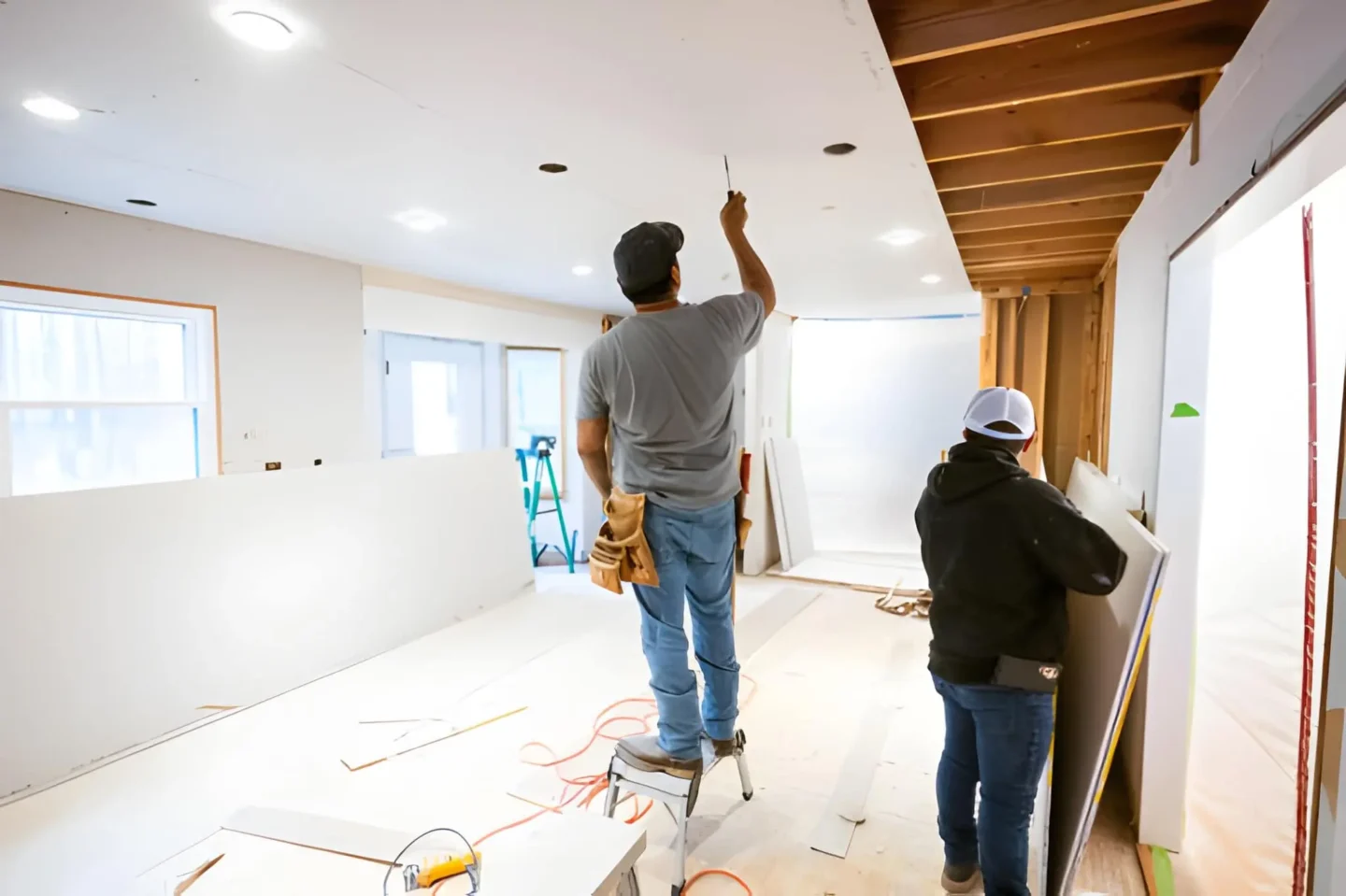
- Demolition: remove fixtures, tile, and damaged framing safely.
- Structural and rough plumbing work: repair framing, replace subfloor, and adjust drains or supply lines.
- Electrical and ventilation updates: add circuits, GFCI protection, and install or upgrade vents.
- Backer board, waterproofing, and tile or shower pan installation.
- Finish carpentry, painting, and fixture installation.
Each step includes inspection points where the contractor confirms the previous work is complete before moving forward. This sequence minimizes callbacks and keeps costs predictable.
What to prepare before you call a contractor
Gathering a few items before a visit helps get a realistic scope and estimate.
- Photos of the problem area from several angles, including underside or attic if accessible
- Timeline notes: when you first noticed the issue and whether it is getting worse
- A list of desired changes, for example swap tub for shower, add ventilation, or replace tile
- Access information: gate codes, preferred days for inspections, and where the main water shutoff is
- Any past repair records or permits related to the bathroom

How to prioritize based on your budget
Decide whether you must address safety and structural issues now or can phase cosmetic work:
- Immediate: leaks, structural rot, electrical hazards, and active mold.
- Important but deferrable: vent upgrades and fixture replacements if not causing damage.
- Cosmetic: tile patterns, new cabinets, and luxury finishes.
If your budget is constrained, plan phased work starting with waterproofing, plumbing, and ventilation. After those systems are secure, complete cosmetic updates when funds allow. For examples of phased changes such as converting a tub to a shower on a budget, see this Alief example: convert bathtub to walk-in shower.
Local insight for Houston homeowners
Houston homes often face high humidity and occasional heavy rain events, which increase the importance of reliable ventilation and quality waterproofing in bathrooms. If you notice moisture-related signs after large storms, mention that when you book an inspection so the contractor knows to check roof and exterior flashing as well as interior plumbing. For specific scenarios like splitting an upstairs shared bathroom, see a local project account that explains cost drivers and considerations: split a shared upstairs bathroom.
Next steps and what to bring to your first contractor visit
Prepare the items from the checklist module and be ready to explain what you want to keep and what you want to change. During the first visit a contractor will point out mandatory repairs versus optional upgrades and will advise on permits if structural or plumbing work is required. Having clear photos and a short list of goals speeds this assessment and produces a more accurate estimate.
Frequently asked questions
How can I tell if a bathroom leak is coming from plumbing or the roof?
Look at when the water appears. If stains appear only during heavy rain, the leak may be from roof or flashing. If water appears after shower use or when fixtures run, the source is likely plumbing. A professional will open affected areas to find the exact path of the leak.
Is mold always a reason to remodel a bathroom?
Not always. Surface mold on grout can sometimes be cleaned if the root cause is corrected and materials are sound. However, widespread mold or mold behind walls, under floors, or in framing usually requires removal of contaminated materials and remediation, which becomes part of a remodel.
Can I replace tile myself if only a few tiles are cracked?
You can replace isolated tiles if the substrate is intact and you match materials. But if tiles have cracked from movement, moisture, or bond failure, replacing a few tiles will be a temporary fix. Have a contractor inspect the substrate to avoid repeat issues.
Will a new bathroom fan fix persistent humidity?
A properly sized, vented fan with an appropriate discharge path can greatly reduce humidity. The fan must be sized for the room volume and vented to the exterior. If humidity comes from leaks, addressing the leak is the priority before relying on a fan.
Do I need permits for bathroom remodeling in Houston?
Permits are typically required for plumbing, electrical, and structural changes. Local code requirements vary by the scope of work. A qualified general contractor will advise on permits and obtain them when required.
Ready to get started? Contact Home Remodeling Expert Houston today.